Define what is being replaced
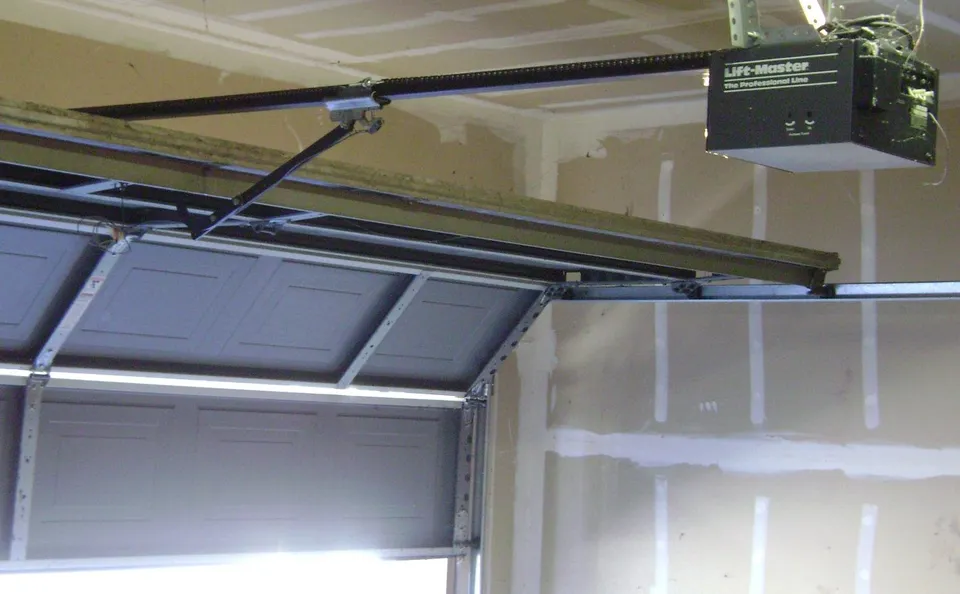
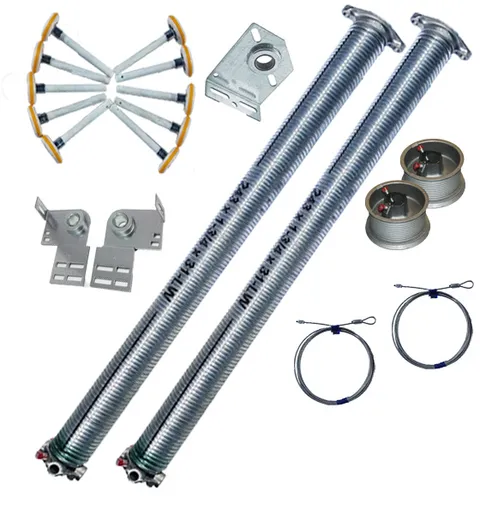
A new door can involve more than new sections. Ask whether the proposal includes tracks, springs, cables, seals, hardware, the operator and disposal. The existing opening, headroom and side clearance need assessment. Changes to framing or the power supply should be distinguished from a standard door installation.
Choose for your garage’s use
Compare construction, finish, glazing, maintenance and insulation in the context of the room. A garage used for storage has different priorities from one used as a workshop. Charlotte heat makes comfort a useful discussion, but a door insulation value does not guarantee a room temperature or energy saving. Ask about the complete installed assembly and the surrounding space.
Check appearance and jurisdiction early
Use the exact address to confirm the authority for proposed work. If the property has an association or architectural review process, check its applicable requirements before ordering a custom color or window pattern. An association decision does not establish whether a permit is required. Ask who confirms permits and inspections for the particular scope.
Compare deliverables and timing
Written proposals should identify model, dimensions, finish, hardware, removal, labor, operator compatibility and warranty terms. Custom finishes and unavailable sizes can affect lead time. Ask what access is needed and how completion is checked. Do not assume an old operator is suitable for a new door simply because it still runs.
Finish is one part of the complete assembly

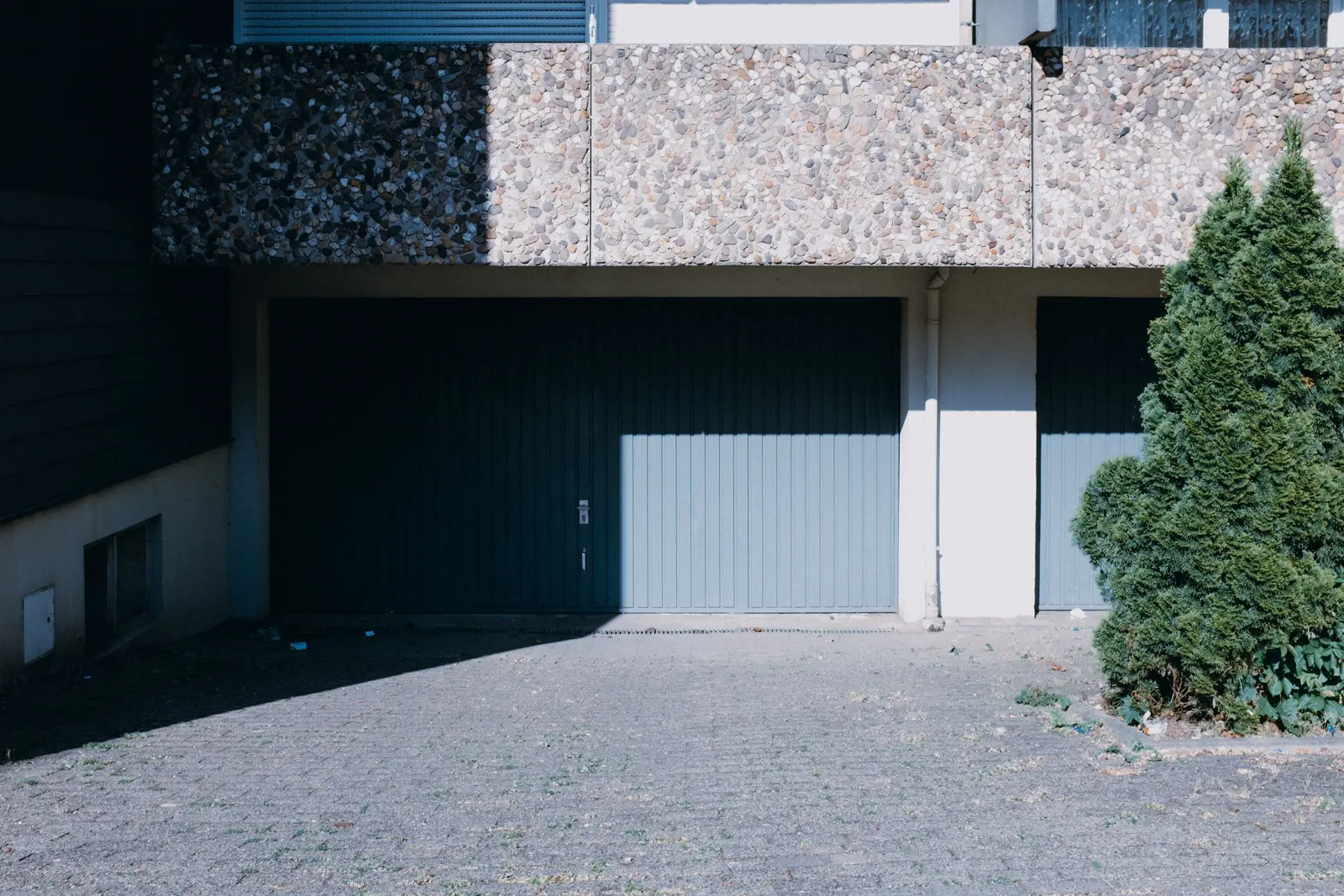
These representative metal panels show a surface detail rather than a completed Charlotte project. Compare the proposed construction, glazing and finish alongside hardware, mounting, removal and operator compatibility.
Questions to bring to the assessment
- What is included besides the sections?
- Who checks approvals and any permit requirements?
- Is the operator suitable for the proposed door?